


How to travel gluten free: your complete guide to stress-free holidays
Traveling gluten free can feel overwhelming, especially the first few times you do it. I can speak from experience, because I was that scared newbie more than 10 years ago. “Will I find safe food? Will people understand me? What if I get hungry and there’s nothing I can eat?”. We bombard ourselves with these kinds of questions, to the point that we might even think of canceling our trip.
But take a deep breath and don’t do it! I have good news for you: traveling gluten free is possible, and it can be enjoyable too. It just requires a bit more planning, the right tools, and realistic expectations.
Whether you’re celiac or gluten intolerant, this gluten free travel guide will walk you through how to travel gluten free with less stress – from planning ahead to flights, snacks, hotels and day-to-day exploring. These are not rules set in stone, but useful tips and strategies that come from my years-long experience as a gluten free traveler.
Spoiler alert: at the end of the article you can also find a practical checklist to download, print and use for your next trips! But first, let’s see everything in detail.
1. Research before you go
This step, for me, is a non-negotiable, especially now that it’s so easy to find all the information you need online. When you travel gluten free, research isn’t just helpful: it’s vital.
Before I think about restaurants or detailed daily plans, I spend time understanding the destination from a food perspective. I start by researching the local cuisine to identify dishes that are naturally gluten free: this makes a huge difference once you’re there, particularly in countries where gluten free labeling or knowledge isn’t widespread.
Only at a later stage I look for gluten free restaurants, bakeries, shops and eateries in general – I will tell you exactly how in a bit.
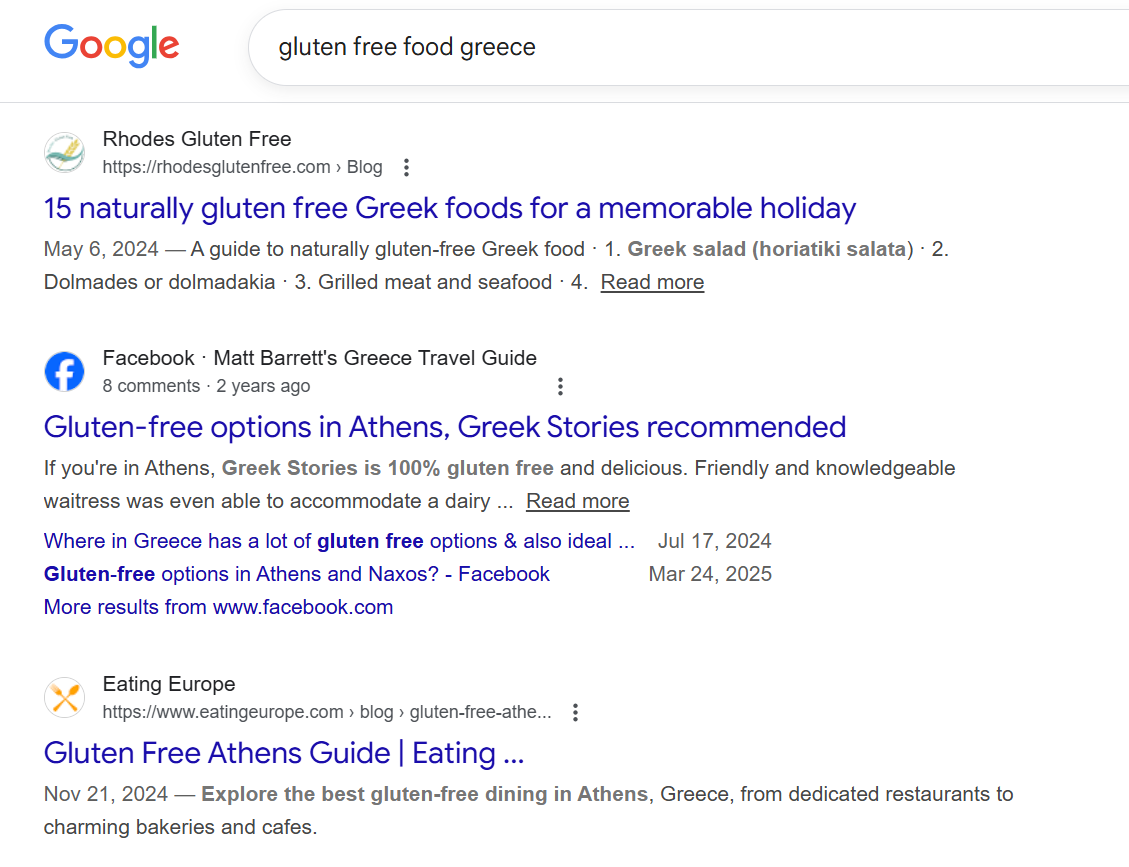
In general, I usually combine:
- Google search (with keywords such as “gluten free food + destination country”, “gluten free + destination”, “celiac safe in + destination”, “gluten free restaurant + destination” and so on);
- gluten free travel blogs, to read first-hand experience from other travelers;
- destination-specific Facebook groups, which are probably the best source of direct information from local people (if you can speak the local language).
Knowing in advance what locals already eat – and where you’re likely to find safe food – removes a lot of anxiety before you even pack your bags.
2. Carry emergency gluten free travel snacks
Even the best planning won’t protect you from unforseen challenges, so always be ready to adapt.
Restaurants and shops close unexpectedly, flights get delayed, you arrive late at night or you simply find yourself far from anything safe at the beginning of your trip. This is why emergency gluten free travel snacks are essential, even in destinations known for being gluten friendly.
I don’t pack an entire pantry, but I know that if I’m hungry I NEED to eat, so I always bring a small selection of nutrient-dense, space-efficient snacks and at least one reliable gluten free carbohydrate option. The latter is especially useful for breakfast or the first meals after arrival, when you haven’t had time to explore yet.
Having emergency food isn’t about being pessimistic, but more about buying yourself time and freedom. For me, a “celiac travel kit” is another non-negotiable part of the trip.
One footnote on this topic: some people are scared that their food is going to be blocked at the bag check or at the gate. In my personal experience, this has never happened – not even once. I always carry snacks and very often also homemade food, and I have never had an issue. As long as you don’t bring liquids or forbidden foods (for health safety reasons), you will be fine. If you want to feel safer, carry your celiac or gluten sensitivity medical paper to show in case they ask, but again: no one, anywhere in the world, has ever questioned me about the food I was carrying.
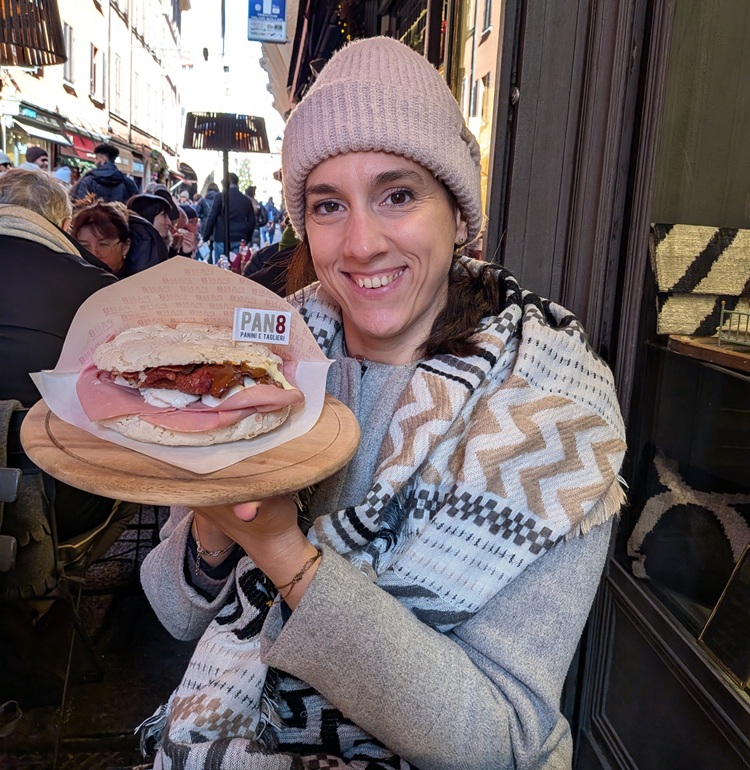
3. Use gluten free travel apps (and read the reviews)
Gluten free travel apps can be incredibly helpful, if you use them wisely. Way more useful than platforms like TripAdvisor, because they are specifically created for celiacs and gluten intolerant people.
After trying different apps, in my opinion Find Me Gluten Free is the most useful one, especially in Europe. It’s the one with the highest number of eateries and reviews, and I like that you can see the overall rating (stars) but also the specific one about safety (hearts).
That said, I never rely on ratings alone. I always read recent reviews carefully, paying close attention to comments, any mentions of cross-contamination and sometimes even taking notes about the most popular dishes.
Apps work best when they support your research, not when they replace it, and they can literally save your meal at the last minute if you use them to find a place to eat close to where you are in that moment. Combined with a good preparation, as we’ll see in the next point, they can save you a lot of time and unnecessary risk.
4. Organize food spots inside your Google Maps
This is one of the simplest but most effective gluten free travel tips I’ve learned, journey after journey. It might seem redundant if you’re using a gluten free travel app, but believe me: it’s not.
So what do I do exactly? After researching food spots on Google, local Facebook groups, food blogs and travel apps, I save all the ones that I want to try on the same Google Map where I pin attractions and landmarks – but I use a different icon for food (my favorite one is the drooling emoji). This way, when I’m exploring a neighborhood, I can immediately see which safe food options are nearby without even leaving Google Maps.
By doing this, you turn food into part of the itinerary rather than a last minute problem, and you dramatically reduce stress throughout your holiday.
If I have to tell you the truth, I almost always end up organizing my exploration days around restaurants or bakeries that I want to try, instead of starting with the landmarks! Foodie life, I guess…
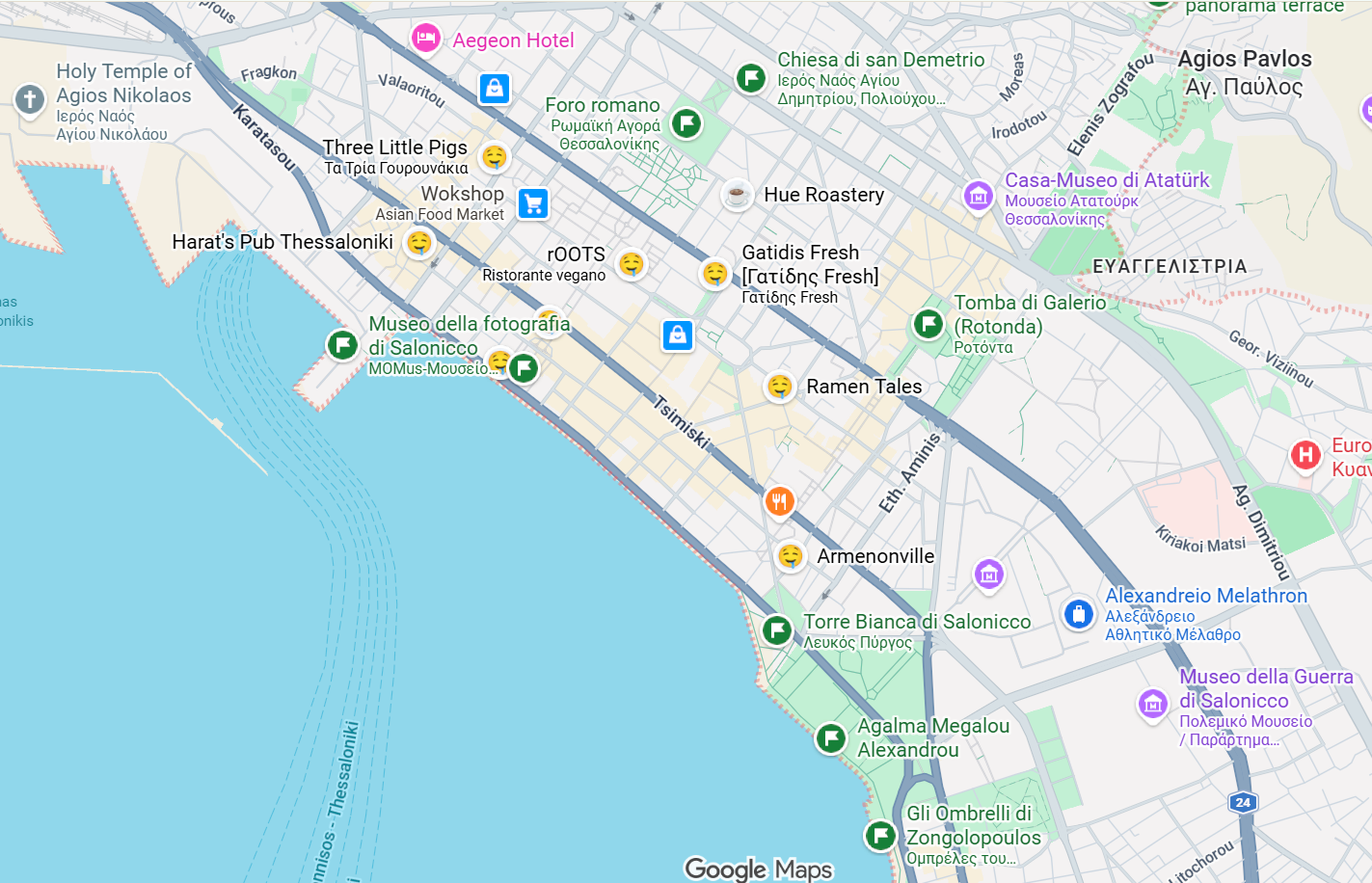
Click on it to read my article about eating gluten free in Thessaloniki.
5. Bring a celiac travel card
A gluten free travel card clearly explains in the local language what celiac disease is, what you cannot eat and how food should be prepared safely.
It’s particularly useful in places where English isn’t widely spoken, but I suggest having it with you anyway, whatever country you visit. Restaurants can be noisy, busy and rushed, and food terminology isn’t always easy to explain verbally in a different language.
Having everything written removes ambiguity, speeds up communication and makes both you and the staff feel more confident. If you’re visiting Greece anytime soon, you can download and print the Greek gluten free travel card by Rhodes Gluten Free.
6. Contact hotels in advance
If you’re staying in a hotel or a bed & breakfast, always reach out before your arrival (or, even better, before booking!).
Ask whether they offer gluten free breakfast (and other meals too if you’re half board or all inclusive), how they handle cross-contamination and if they can prepare something different on request. Even if the answer is “limited options”, knowing this in advance allows you to plan alternatives without panic.
A short email can make the difference between enjoying a relaxing holiday and spending the whole time worried and frustrated. Unfortunately I’ve heard many stories about hotels not providing a good gluten free service, even the high-end ones, so don’t take anything for granted and always ask!
Additional tip: in case you prefer self-catering, I would suggest you to find an accommodation close to safe eateries (or at least close to places you want to try). Believe this foodie here: it’s going to be convenient, when you don’t feel like moving too far to get breakfast or dinner!
7. Airline gluten free meals: request them early or bring your own food
For long-haul flights, requesting airline gluten free meals ahead of time is essential. Ideally, do it when booking or at least 48 hours before departure.
That said, special meals aren’t always available or reliable. Portions can be small, quality varies widely and delays or aircraft changes sometimes mean your meal won’t be loaded at all. It happened to me a couple of times – once, the hostess felt so bad for me that she offered me her fruit (the only gluten free option that she could find for me)! For this reason, I never rely solely on airline food and always bring backup snacks.
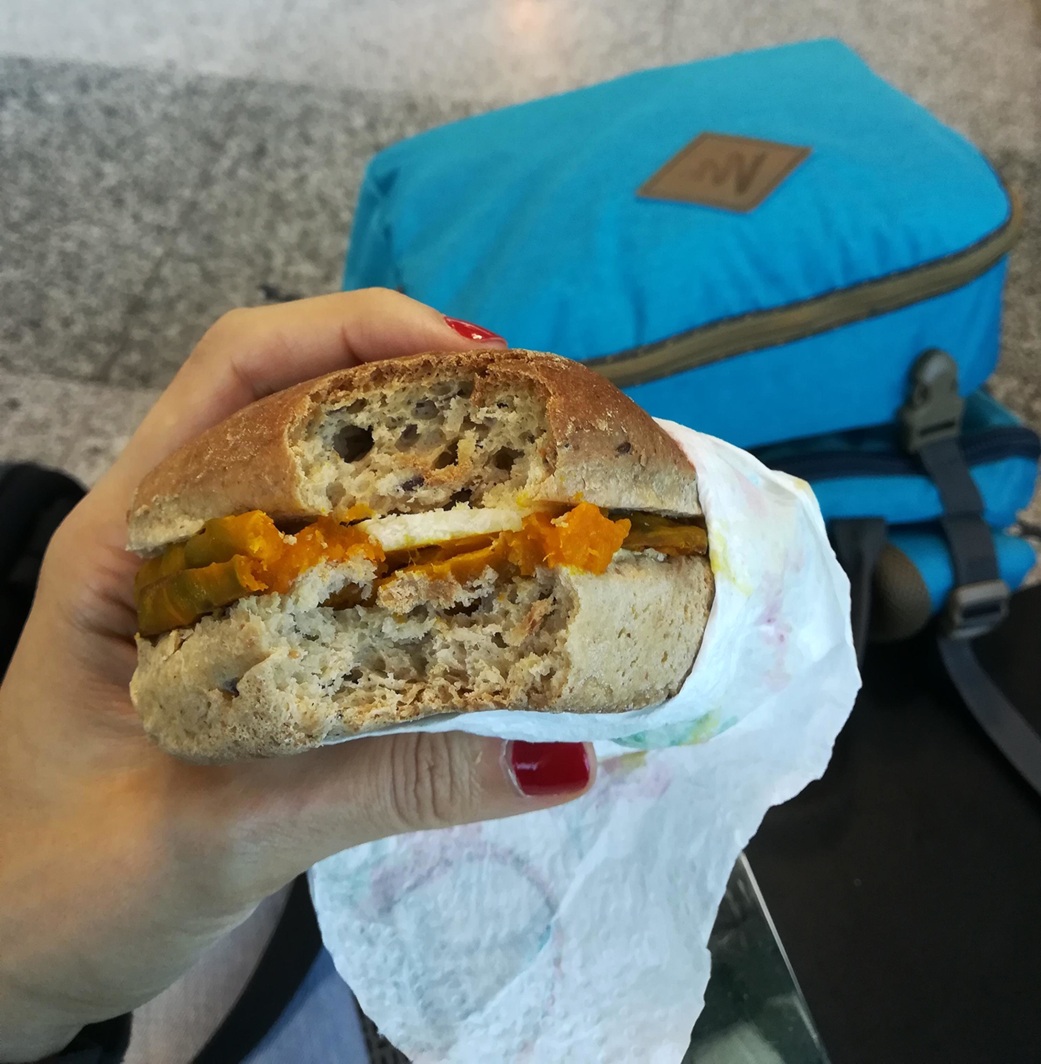
On short-haul flights or low-cost airlines, gluten free meals are usually unavailable.
In these cases, preparation is key. My favorite solution is bringing a light meal (like a homemade sandwich) and snacks with me. If I’m traveling from a place where I know safe food is available, I make a point of stopping there to grab something before heading to the airport.
For example, if you’re flying from Rhodes, you can stop at Rhodes Gluten Free before going to the airport (where you wouldn’t find any option besides chips and chocolate). It’s nourishing, safe and completely removes stress from the travel day.
8. Pack food clips or sealable bags
This may sound like a minor detail, but it’s not.
I think we all know that gluten free food tends to go stale very quickly once opened, and open packages can become inedible in a single day. What I do is I always travel with clips to seal bags effectively. I prefer those over resealable bags because they’re lighter, reusable no matter the size of the food bag, and easier to use on the go, but both options can work.
Keeping food fresh also reduces waste and lowers the risk of cross-contamination, so this is a small item that makes a big difference.
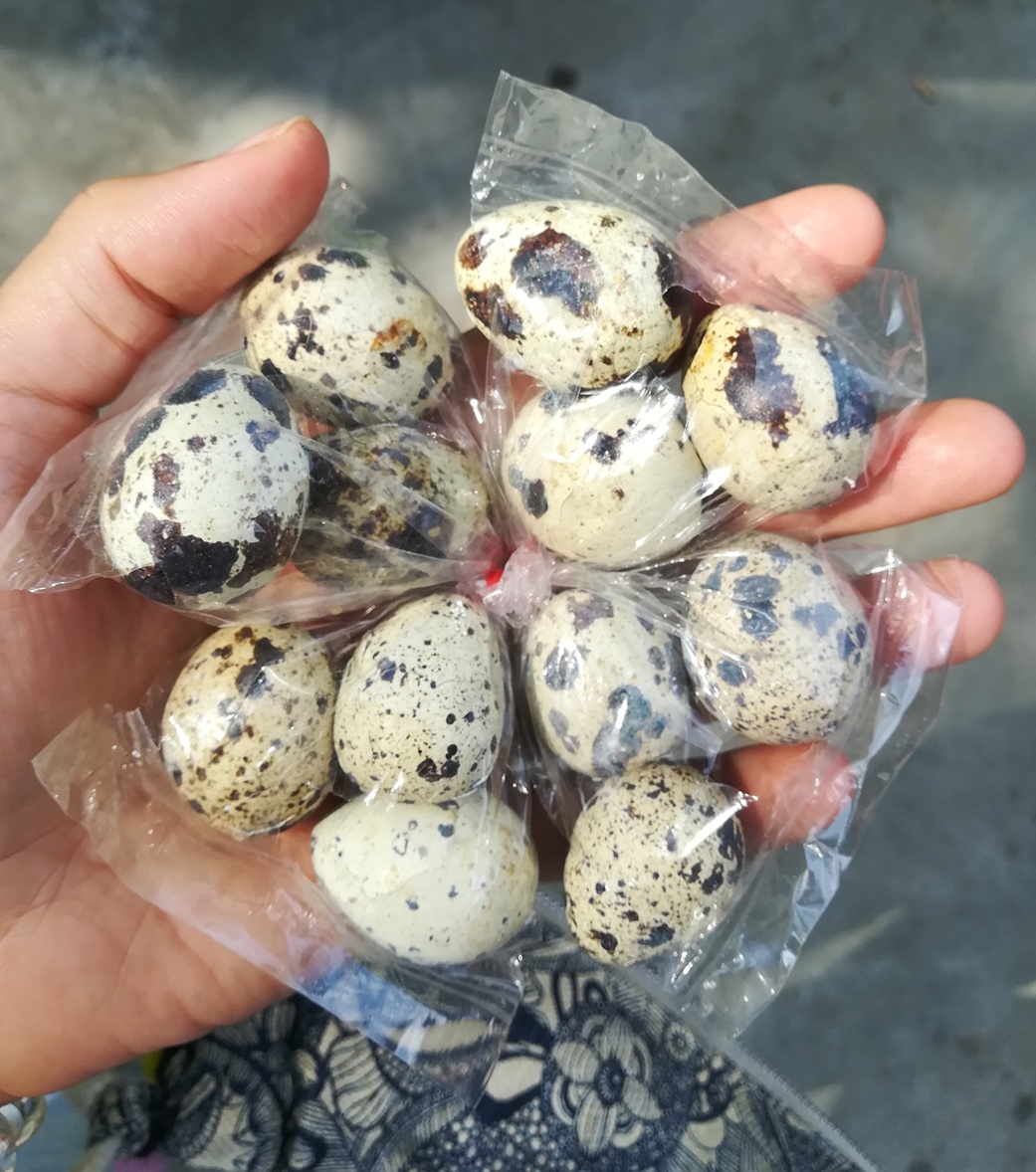
(Spoiler: I did need medications on that trip – see next point)
9. Bring your medications, just in case
Ok, you might think that this is a bit too much. Call me dramatic, but I always bring some medications on my trips. Not just “gluten-related”, but in general I like to be covered in case I feel unwell all of a sudden, and I can’t go to a pharmacy immediately. So yes, besides the classic paracetamol, I pack those medicines that I use the most – and they vary based on the person’s medical history.
When it comes to gluten-related issues, my suggestion is: you know which are your symptoms in case you get glutened by mistake, so carry with you the medications that you would need if that happened. Are you affected by gastrointestinal issues? Headaches? Nausea? Whatever it is, bring on holiday your usual antidote. Maybe (hopefully) you won’t need it, but it’s better to be safe than sorry.
On the same topic: I know that “gluten protectors” are very popular in some countries. I am personally not a fan, because they give you the (wrong) feeling that you can eat more freely or even try local food containing gluten. That’s not the case. These pills basically protect you against casual cross-contamination that might happen in non-dedicated facilities. You can take them with you, of course, but I would use them only as a last resort in case I can’t find absolutely anything that feels safe to eat – not as a regular pre-meal companion.
Of course I’m not a doctor, so anything you read here comes just from my personal experience. If you’re in doubt about something, consult your physician.
10. Accept that gluten free travel requires extra energy (and that’s okay)
The last (but not less important) point is more psychological than practical. I think we all need to accept that, based on how things are now, traveling gluten free means planning ahead, asking questions, sometimes skipping places and carrying snacks “just in case”.
That doesn’t mean your trip is worse – it’s just different.
Will this change in the future? Who knows, it might! And I’ll be the first one to celebrate positive changes… but until then, this is the reality we are dealing with.
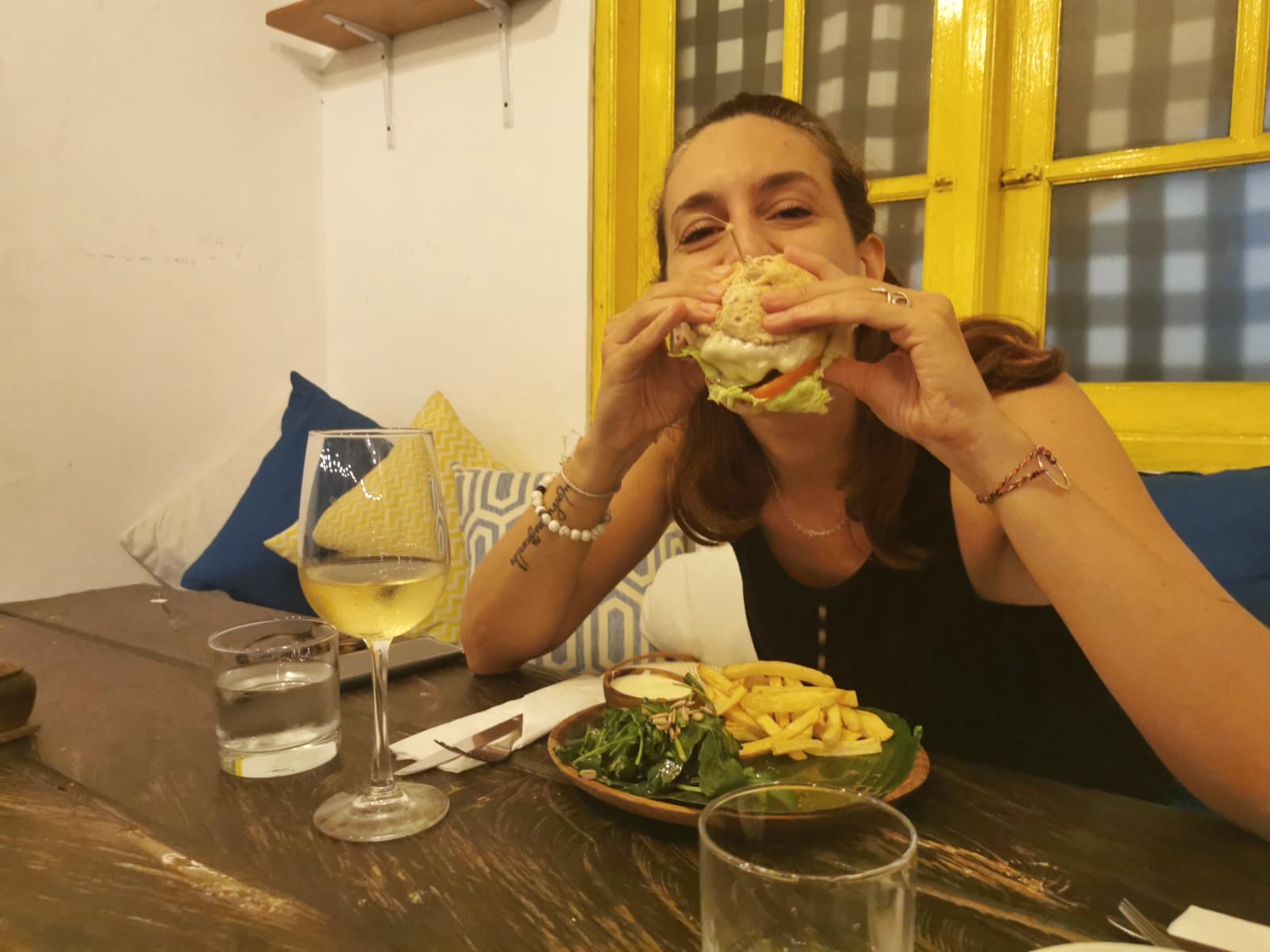
Luckily, with the right mindset and preparation, a gluten free vacation can still feel spontaneous, rewarding and deeply enjoyable. The goal isn’t perfection, but confidence and freedom. And how do you achieve that? By trying, making mistakes and learning – or by using someone else’s experience as a guide, which is your case if you’re reading this article.
I’ve always traveled a lot, especially as a gluten free person, so I can testify that the more you travel gluten free, the better you get at it. You learn patterns, recognize red flags and build trust in your system.
This gluten free travel guide isn’t about eliminating every risk. It’s about feeling prepared, safe and free to focus on the journey. And if you feel like you need a practical tool to keep everything (well, almost everything!) under control, here is a checklist that you can download, print and use to make sure you’re not forgetting something crucial.
Also: if you have any questions or doubts about traveling gluten free, please write them in a comment. I will be happy to help you if I can!
(Disclaimer: this article contains affiliate links, which means that I might earn a commission from your purchase.)



No comments yet