

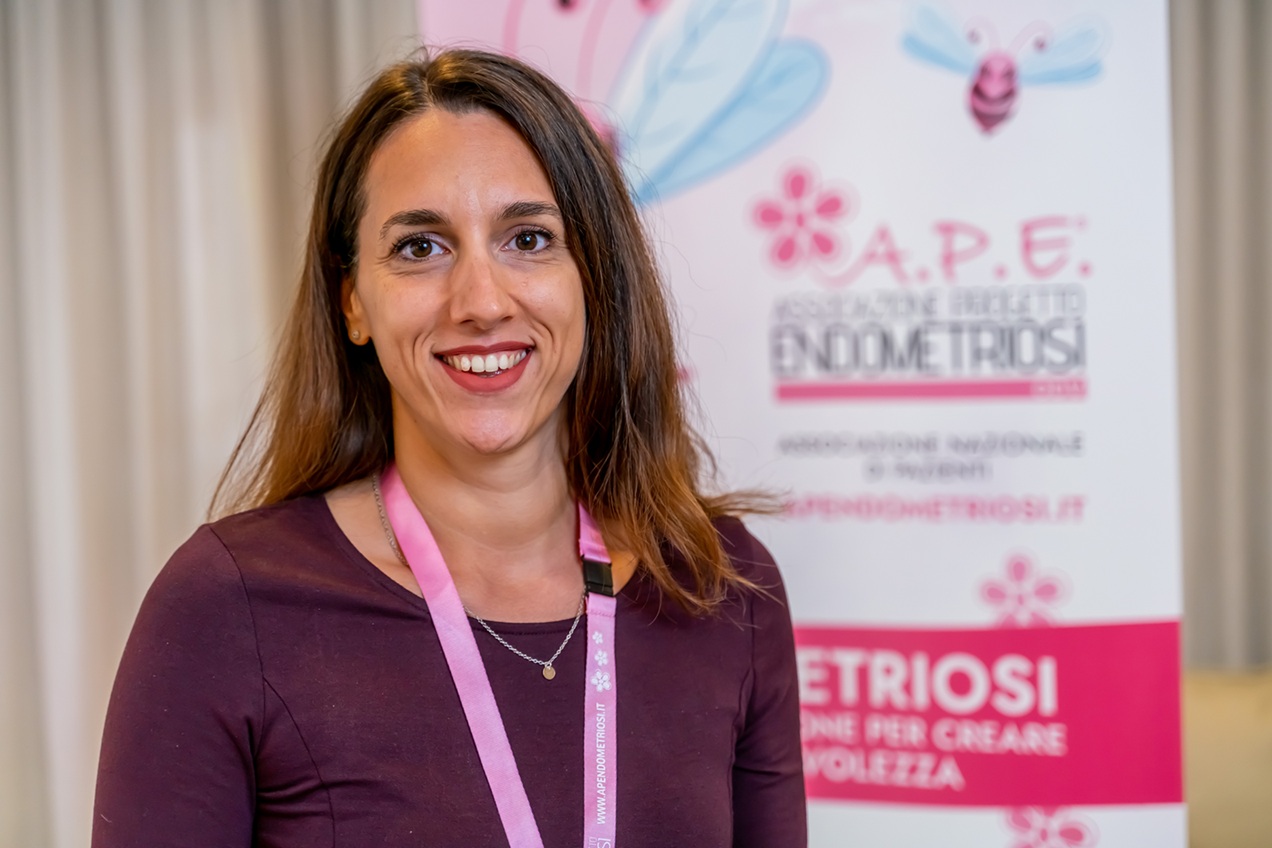
Endometriosis Awareness Month: why talking about it matters
March is Endometriosis Awareness Month.
Every year, for a few weeks, this disease gets a little more visibility. Articles are written, statistics are shared, and the word “endometriosis” starts appearing more often in conversations. And yet, for too many women, the story is still the same: years of unexplained pain, doctors who dismiss it as “normal”, and a long search before someone finally connects the dots.
I know this because it happened to me too.
Endometriosis is the chronic illness I live with, as I briefly mentioned in a past article. But that story only touched the surface. This time, I want to talk about what came before the diagnosis, what living with endometriosis actually means, and why working on awareness still matters so much.
What is endometriosis
One of the reasons why an awareness month exists is that too many people still don’t know what endometriosis actually is.
Endometriosis is a chronic inflammatory disease in which tissue similar to the lining of the uterus grows outside of it. These cells can attach to organs such as the ovaries, fallopian tubes, intestines or bladder, forming lesions, cysts and adhesions.
Because this tissue still responds to hormonal cycles, it can cause intense pain, inflammation and internal scarring over time – affecting different areas of women’s life, including fertility.
It’s estimated that around 1 in 10 women worldwide lives with endometriosis. And yet, diagnosis still takes years on average.
Why? Because symptoms are often dismissed as “normal period pain”, and because detecting the disease requires specific expertise. Without trained eyes, it can easily go unnoticed, and that is why specialized centers are so important.

Years of pain that nobody could explain
My symptoms started when I was very young, during my teenage years. Well, now I’d say that they started from my very first periods – but ok, let’s jump to high school, which was the worst of it all.
At first it was “just” painful periods, or at least that’s how it was framed. But the pain quickly became something else entirely. I remember nights when I would wake up because of the cramps, walking to the bathroom half asleep and then fainting from the pain. Days spent in bed crying, shaking and swallowing painkillers that barely made a difference.
And what about (apparently) random pain out of the menstruation days? Sometimes it was so sharp that I ended up in the emergency room. More than once doctors suspected appendicitis, but every time the tests came back normal. Looking back now, I know those episodes were most likely ovulation pain caused by endometriosis. But at the time, no one connected the dots.
What I remember most clearly from those years is not just the pain itself: it’s the feeling of not being believed.
At one point I suggested the possibility of endometriosis to a gynecologist after researching the symptoms online. Her answer was simple: I was being hypochondriac and should stop diagnosing myself on the internet.
When you’re young and a doctor tells you that, you tend to believe them. Unfortunately.

The diagnosis that finally made everything make sense
Years later, something unexpected happened.
I was living in New York at the time, and I had to go to the hospital because of a bad gastroenteritis that caused a bleeding. During an ultrasound, the doctor noticed a cyst that looked suspiciously like an endometrioma (a cyst caused by endometriosis). She suggested I investigate further once I was back in Italy.
That was the moment everything changed: that word, endometriosis, sounded so far away yet so familiar. I hadn’t thought about it for a long time, convinced that it wasn’t my situation. But when that young doctor pronounced those letters, I thought: “Was I right, after all?”
As soon as I returned home, I started researching specialists and booked an appointment at a highly specialized center in northern Italy, with the doctor who – at the time – was considered the leading expert on endometriosis in the country. Within minutes of the visit, he told me what no one had managed to tell me for years: it was almost certainly endometriosis.
“For years they told me that I was a hypochondriac. It took 10 minutes with a specialized doctor to find out my pain had a name: endometriosis. I had always been right.”
I still remember the strange mix of emotions when he said that. Of course I was scared about what it meant for my health but, above all, I felt relief.
At that point, at least seven years had passed since I had first suspected it myself. And, for the first time, I finally wasn’t “exaggerating”, “too sensitive” or “hypochondriac”. There was a name for what I had been experiencing.
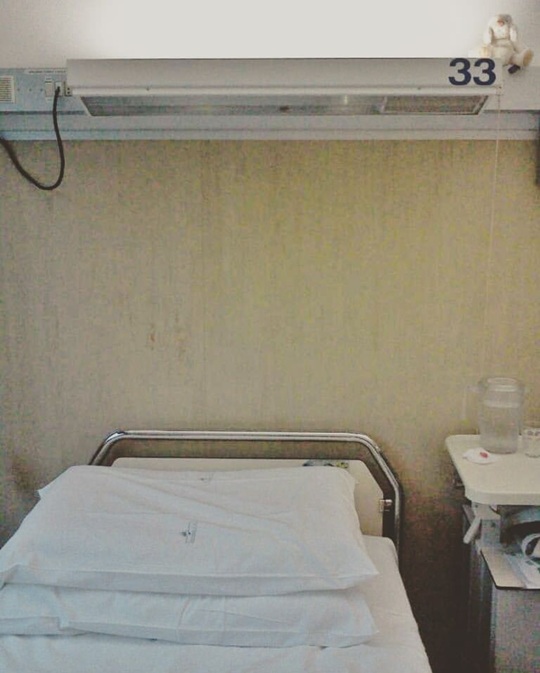
After that, things went by quickly. In 2012, after several more visits and tests, I underwent laparoscopic surgery in the same specialized center. The surgeons removed cysts and cleared multiple adhesions caused by the disease. During the operation, they also confirmed what the doctor had already suspected: I had stage III endometriosis (on a scale that goes from 1 to 4).
I was not that hypochondriac in the end, was I?
Living with endometriosis after surgery
Surgery is the only way to 100% confirm the presence and stage of the disease, and it’s often a turning point for endometriosis patients – but it’s not a cure. As mentioned above, endometriosis is in fact a chronic condition, which means that you can treat it so that it gets better, but it will never leave you.
That’s why after the operation I started taking continuous progestin therapy, and I took care of my lifestyle to soothe the “leftover” symptoms (it was during that time that I found out I’m intolerant to gluten!). I also followed a strict schedule of check-ups: at first every six months, then once a year.
Thankfully, the disease is now under control. At my most recent check-up everything was still clear.
That doesn’t mean the experience disappears completely: chronic illnesses rarely work like that. The most persistent symptom I still deal with is chronic fatigue – something many women with endometriosis recognize very well.
But compared to the years before my diagnosis, my quality of life today is completely different. And for that I’m incredibly grateful.
And you know another reason why I’m grateful? Because over time I heard so many stories of women with endometriosis who had to deal with way worse than I did… I know: everyone’s experience matters, but I can’t help but be thankful for my situation which, all in all, didn’t completely disrupt my life.
In fact, thanks to endometriosis I got to meet some pretty amazing women in the past 14 years. Who would have thought, right?
Discovering A.P.E. Onlus, an organization of women for women
If you have any debilitating medical condition, you know how lonely it can feel and how difficult it can be to find someone who truly relates to your experience. This is a big reason why patients’ organizations and communities are so important.
My connection to the endometriosis community started in the hospital.
During my surgery I shared a room with another patient, Melissa. She was the one who first told me about A.P.E. (Associazione Progetto Endometriosi) Onlus, an Italian patient association dedicated to supporting women with endometriosis and raising awareness about the disease.
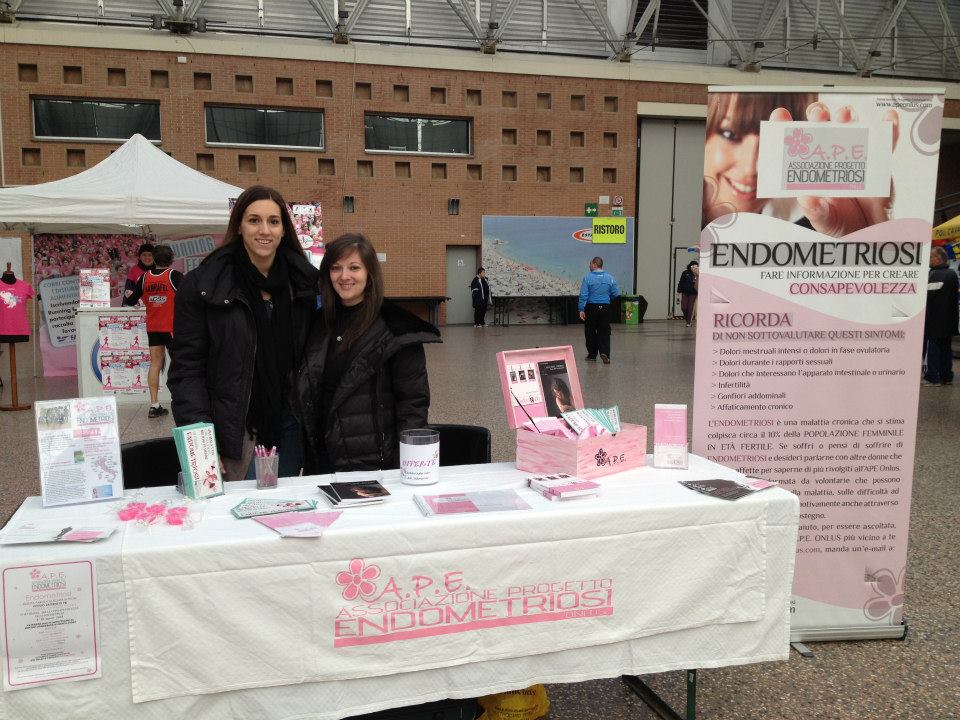
As soon as I recovered, I went to one of their local information stands to help out. That’s where I met Annalisa, who later became a close friend and is now the president of the association. That was only the beginning: from that moment on, I started volunteering whenever I could.
A.P.E. is a completely volunteer-based patient association that has been working for twenty years to increase awareness about endometriosis and support women affected by it. They organize educational campaigns (in high schools too!), public conferences, training programs for healthcare workers and countless informational activities aimed at patients, general public and professionals.
Over the years I’ve contributed in many ways: helping at awareness stands, organizing events, speaking publicly to represent the association, and so on and so forth. Even now that I live abroad, I try to support their work whenever possible. Because information can truly change lives.
As our president Annalisa often says: if what we do can help even one single girl to be believed, and to get a diagnosis without years of delay, our goal has been reached.
The most important lesson that endometriosis taught me
If there’s one message I wish every young woman could hear, it’s this: listen to your body.
Pain that makes you faint, miss school or spend entire days in bed is not normal. If something feels wrong, insist on finding answers. Seek second opinions. Look for specialised centers and doctors. And don’t let anyone convince you that you’re exaggerating.
Endometriosis is a complex disease, and unfortunately it is still often invisible to doctors who are not trained to recognize it. This means patients sometimes have to advocate for themselves much more than they should.
But being persistent can make the difference between years of suffering and finally finding the right help. So: go get your answers, girl. You have all the right to do it!
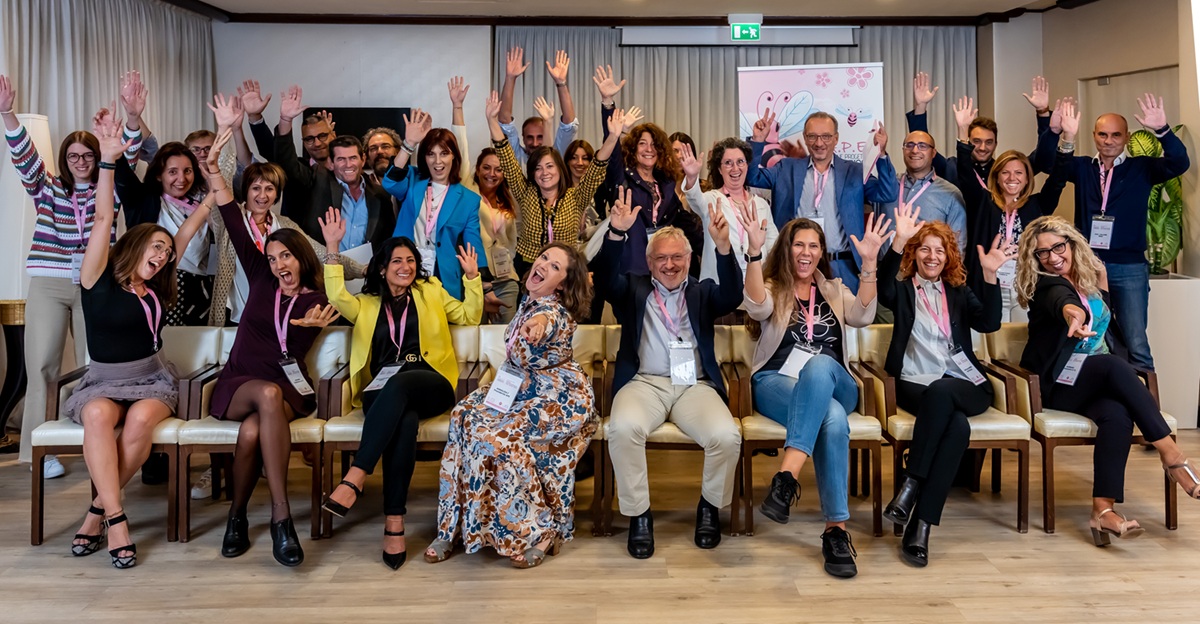
organized by A.P.E. Onlus
Why awareness still matters
Today, almost fifteen years after my surgery, endometriosis is part of my past and my present at the same time. And it will be part of my future too.
It shaped the way I relate to healthcare, the way I listen to my body, the way I live every day of my life and the way I think about chronic illness. It also introduced me to a community of women who share similar experiences and who work tirelessly to make sure the next generation doesn’t have to wait years for answers.
Awareness months may only last a few weeks, but the conversations they start can last much longer. And sometimes, they can even lead someone to the diagnosis they’ve been searching for.
This time, I’m not asking you to leave a comment (although I’d love to read your stories), but I am here asking you a very small action that can have a big impact in unexpected ways. Please, share this article on your social media, send it to that friend who has been complaining about period pain, maybe even forward it to your doctor.
Help us spread the awareness, help today’s girls avoid suffering for years, as we did, while waiting for a diagnosis.
p.s.: If you suspect you might have endometriosis, seek medical advice from a specialized professional. Early awareness can make a huge difference.
F.A.Q.s about endometriosis
Endometriosis is a chronic inflammatory disease in which tissue similar to the lining of the uterus grows outside the uterus. These cells can attach to organs such as the ovaries, fallopian tubes, intestines or bladder, causing scar tissue, pain, inflammation, problems during intercourse and often impacting fertility. Here you can find more information about endometriosis.
Endometriosis affects an estimated 1 in 10 women of reproductive age worldwide, although many cases remain undiagnosed for years.
Symptoms vary from person to person, but the most common include severe menstrual pain, chronic pelvic pain, fatigue, digestive issues, pain during ovulation or sexual intercourse, and infertility.
Diagnosis often takes years because symptoms are frequently dismissed as “normal period pain”, and because the disease can be difficult to detect without specialized knowledge or imaging.
There is currently no definitive cure for endometriosis. Treatments may include hormonal therapy, pain management and surgery to remove lesions, but long-term management is often necessary.
Not always. Treatment depends on the severity of the disease and the patient’s symptoms. However, in more advanced cases, surgery may be necessary to remove cysts or adhesions. It’s very important that surgery is performed by specialists, in specialized centers.
Endometriosis can be difficult to recognize and treat. Specialized centers and trained doctors are crucial because they have the experience needed to correctly diagnose and manage the disease. I’ve seen women dealing with terrible consequences for surgical mistakes… please, please, please: find a trustworthy specialised center.
Awareness helps improve early diagnosis, reduce stigma around menstrual pain and encourage better training for healthcare professionals.


No comments yet